Smoke detectors are non-negotiable safety devices, providing critical peace of mind that every family should possess. They are the silent guardians of your home, ready to alert you to the worst-case scenario. However, nothing is more frustrating—or more jarring—than the sudden, deafening BEEP! BEEP! emanating from the kitchen, often triggered by the mundane act of sautéing onions or pan-frying bacon. If you’ve spent enough time in a culinary setting, you know the cycle: the delicious aroma of dinner, followed by a startling blast of sound, and the immediate, exasperated thought: Was it the grease, or was it a genuine emergency?
These false alarms are incredibly common, turning a joyful meal into a high-stakes performance. The culprit is usually a combination of airborne grease particles, steam, and particulate matter—the very things that make a delicious dinner, but which are interpreted by sensitive electronics as smoke. Fortunately, understanding the chemistry and mechanics of your home's ventilation system and safety devices can help you significantly. This comprehensive guide will walk you through the science, the simple fixes, and the best practices needed to effectively fix smoke detector false alarms from kitchen grease, ensuring your detectors are accurate and reliable without sacrificing your dinner enjoyment.
Understanding the Science Behind False Alarms
Before we can fix the problem, we need to understand why it happens. Smoke detectors don't actually detect "smoke" in the way a human does; they detect specific components in the air, such as particles, chemical compounds, or changes in electrical resistance. When grease vapor, steam, or even a quick burst of high heat interacts with the detector, it can trigger a false positive.
The Role of Grease and Steam
Grease is not just a smoky byproduct; it's a complex mixture of particulate matter. When oil hits a hot pan, it vaporizes, creating microscopic droplets and aerosols. Similarly, boiling water produces massive amounts of steam, which is essentially superheated water vapor.
- Particulates: Grease particles are oil-based aerosols that are easily drawn into the detector's sensing chamber. High Humidity/Steam: Extreme steam can momentarily alter the electrical conductivity within some types of detectors, leading to a false reading.
It's a scientific misunderstanding: the detector sees a cloud of particles, and its programming dictates "smoke." It’s like mistaking a puffy cloud for a warning sign—it looks suspicious, but it isn't.
Knowing Your Detector Type
Not all smoke detectors are created equal. Knowing what technology your unit uses is crucial to determining the best preventative measures.
- Photoelectric Detectors: These are the most common and generally best at detecting smoldering fires (like those caused by slow grease buildup). They detect light scattering caused by particles entering the sensing chamber. Ionization Detectors: These are more sensitive to rapid, flaming fires because they detect the electrical conductivity change caused by burning materials. Dual-Sensor Detectors: These combine both technologies for comprehensive protection.
While modern dual-sensor detectors are excellent, their sensitivity can sometimes make them overly reactive to kitchen activity.

Practical Steps to Prevent Kitchen-Related Triggers
The goal here isn't to disable your detectors, but to manage the environment around them. Think of your detectors as highly sensitive, yet slightly overwhelmed, security guards. We need to give them some boundaries.
Improving Ventilation and Airflow
The most effective way to fix smoke detector false alarms from kitchen grease is to control the source of the particles before they reach the detector.
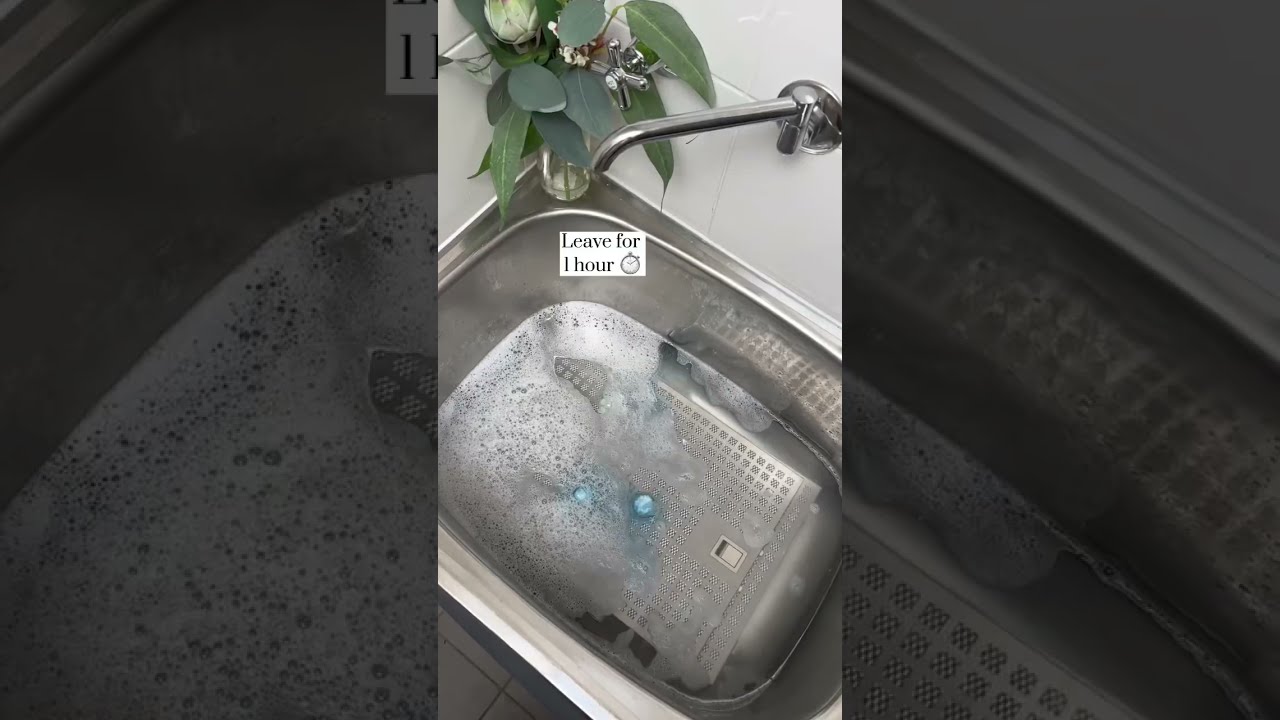
- Use the Range Hood: Always, always, always turn on your range hood fan when cooking, especially when frying or searing. The hood acts as a critical vacuum, pulling the grease and steam up and out of the kitchen, keeping the air cleaner for the detectors. Maintain Filters: Dirty, clogged range hood filters significantly reduce the hood's efficiency. Clean or replace these filters regularly. A clogged filter is like asking a race car to run on a flat tire—it won't do the job properly. Keep Detectors Away from Vents: Ensure your detectors are mounted a reasonable distance from high-traffic steam vents or air return ducts that can funnel moisture directly toward the unit.
Strategic Placement and Maintenance
Location is everything. If your detector is mounted directly over the stove, it’s essentially waiting for a party to start.
- Optimal Mounting Height: Install detectors on the ceiling, away from direct airflow from the stove, and ideally in a central hallway or common area, not directly above the cooking surface. Regular Cleaning: Dust, cobwebs, and even accumulated grease residue can coat the detector's sensing chamber, making it less reliable. Use a vacuum cleaner attachment (specifically designed for electronics) to gently clean the exterior of the unit every six months. Never use chemical cleaners, as these can damage the sensitive internal components.
Addressing the Problem with Advanced Solutions
Sometimes, simple cleaning and better ventilation aren't enough. In these cases, there are specific technological solutions available.
Utilizing Smart Detection Systems
Modern smart home systems offer advanced detection methods that can differentiate between cooking steam and actual smoke. These systems often include:
- Humidity Sensors: They can distinguish between the normal high humidity of steam and the chemical signature of combustion. Smart Integration: Some systems allow you to temporarily "silence" the alarm when you initiate a cooking cycle, providing peace of mind without compromising safety.
An anecdote I once heard from a homeowner who had persistent alarms told me, "We almost bought a whole new alarm system just to stop the beep. It was ridiculous, but it worked. It taught us that sometimes, the best technology is the one that anticipates human behavior."
When to Consider Zoned Detection
If grease alarms are a chronic, overwhelming issue, consider a zoned detection approach. Instead of having one detector cover the entire house (including the kitchen), you might place a dedicated, less sensitive detector in the main living areas and rely on the range hood and local kitchen ventilation for the cooking zone.
As one expert noted, "A smoke detector should be a shield, not a nuisance. It needs to be reliable when you need it most, and silent when you're just trying to enjoy a nice meal."
Building a Smarter, Safer Home
Ultimately, the best way to fix smoke detector false alarms from kitchen grease is to treat the Know more alarm system as part of a holistic safety ecosystem, not just a gadget. By combining proper mechanical ventilation, strategic detector placement, and routine maintenance, you can build a home that is both highly safe and pleasantly functional.
Remember that while the occasional BEEP! can feel like a betrayal, it is a reminder—a prompt to check your ventilation, clean your detectors, or simply turn on the hood fan. By approaching your home’s safety systems with a blend of technical knowledge and common sense, you ensure that when a real emergency occurs, your detectors will sound a warning that is clear, decisive, and genuinely necessary.
By taking these proactive steps, you are not just silencing an alarm; you are investing in genuine peace of mind. A safe, well-ventilated home is a home where the only alarms you hear are the joyful sounds of family and friends gathering around a delicious meal.
HygieneXperts - Commercial & Residential Cleaning Services
12C Tungarra Rd Girraween NSW 2145 Australia,
61498203983